
Many engineers and contractors face a common challenge when designing or maintaining industrial pipelines: selecting the right types of valves in piping. Using the wrong valve can lead to flow inefficiencies, pressure losses, equipment damage, or even costly shutdowns. With so many pipe valve types available, understanding which valve suits each application becomes essential.
The solution lies in understanding the types of valves in piping and their functions, from isolation to flow control. This guide explains the most important valves types and uses, helping professionals choose reliable solutions that improve system performance, safety, and long-term operational efficiency.
What is a Valve?
A valve is a mechanical device installed within a piping system to regulate, direct, or stop the flow of fluids such as water, gas, steam, or chemicals. Valves play a critical role in ensuring safe and efficient operation across industries such as oil and gas, manufacturing, water treatment, and HVAC.
In practical terms, valves perform several essential functions:
- Start or stop fluid flow within a pipeline.
- Control pressure and flow rate to maintain system stability.
- Prevent backflow that could damage equipment.
- Redirect fluids to different parts of the system.
- Ensure safety during maintenance or emergency shutdowns.
Modern industrial systems rely on multiple valve types and uses to achieve reliable flow control. Choosing the right valve depends on several factors, including pressure, temperature, fluid type, and required flow precision.
Need help choosing the right valve types for your piping?
Contact us on WhatsApp for quick expert guidance.

Types of Valves in Piping and Their Functions
Understanding the main types of valves in piping and their functions helps engineers design efficient and safe pipeline systems. While there are dozens of valve designs, a few core pipe valve types dominate industrial applications due to their reliability and performance.
Below are the most commonly used valves in piping systems and how they function.
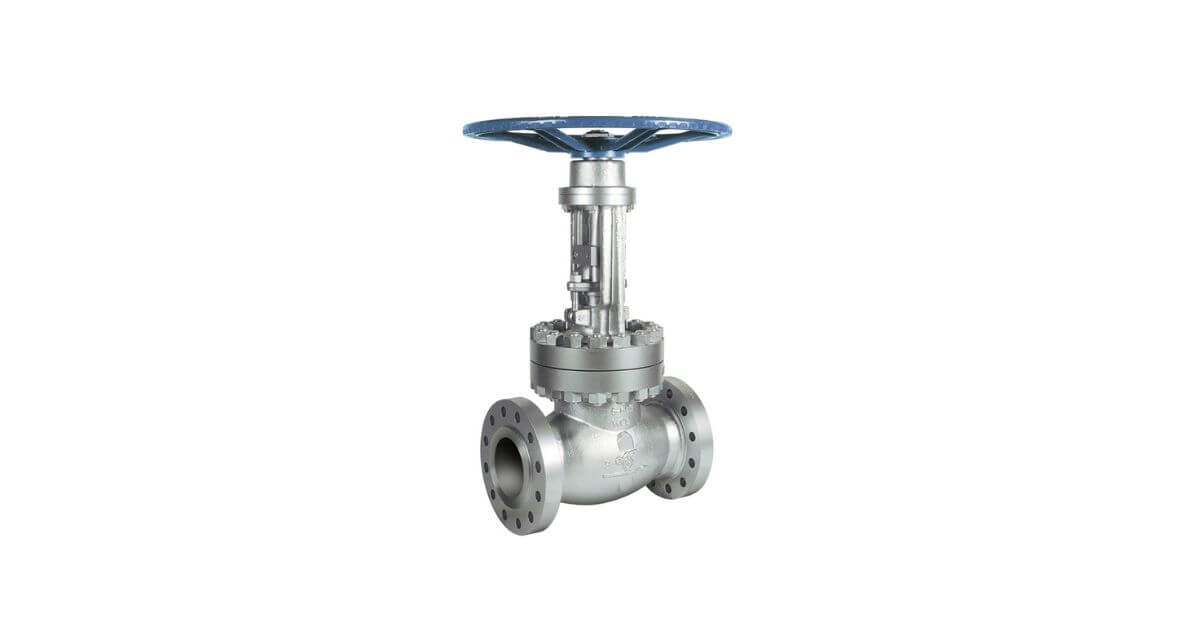
1. Gate Valves
Gate valves are widely used in piping systems where the primary goal is to completely start or stop fluid flow.
Instead of regulating flow gradually, gate valves use a vertical gate or wedge that moves up and down to either block or allow fluid flow.
Key characteristics of gate valves:
- Designed mainly for full open or full close operations
- Provide minimal pressure drop when fully open
- Suitable for high-pressure and high-temperature systems
- Often used in water supply networks and oil pipelines
Common applications include:
- Water distribution systems
- Industrial process pipelines
- Oil and gas transportation networks
Because of their simple structure and reliability, gate valves remain one of the most common types of valves in piping for isolation purposes.
2. Globe Valves
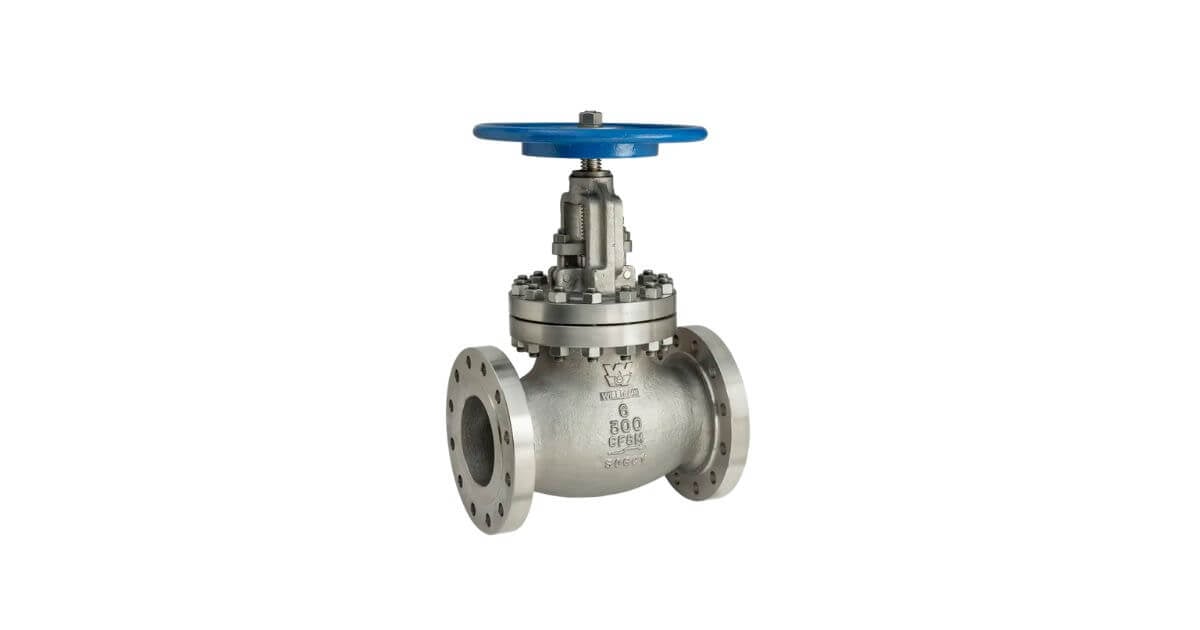
Globe valves are specifically designed for precise flow regulation. Unlike gate valves, they allow operators to control the flow rate with higher accuracy.
Inside the valve, a movable disc presses against a stationary ring seat, enabling gradual adjustments to fluid flow.
Main advantages of globe valves:
- Excellent flow control capability
- Reliable throttling performance
- Suitable for frequent operation
However, globe valves typically produce a higher pressure drop compared to other pipe valve types due to their internal design.
Typical uses include:
- Cooling water systems
- Fuel oil systems
- Chemical processing lines
Because of their precision, globe valves are essential in systems where accurate regulation is more important than minimal flow resistance.
3. Ball Valves
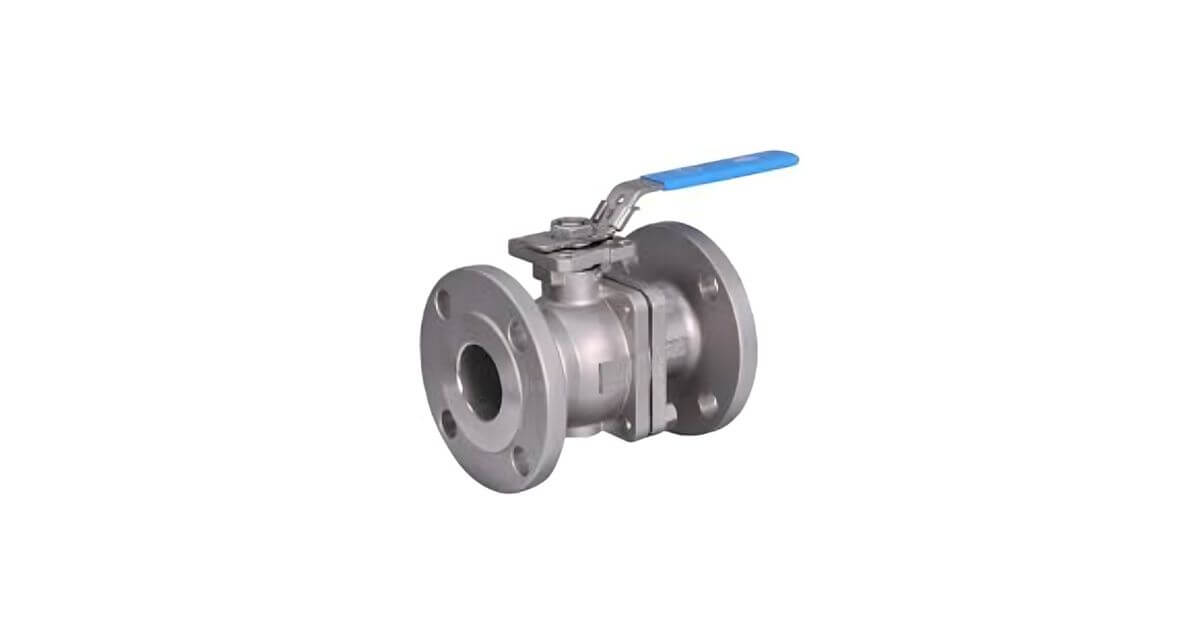
Among modern pipe valve types, ball valves are highly valued for their durability and quick operation.
A ball valve uses a spherical disc with a central hole. When the hole aligns with the pipeline, fluid flows freely; when rotated 90 degrees, the flow stops completely.
Advantages of ball valves:
- Fast shutoff with a quarter-turn operation
- Excellent sealing performance
- Minimal leakage risk
- Low maintenance requirements
Ball valves are commonly used in systems where tight sealing and reliability are critical.
Industries that frequently use ball valves include:
- Oil and gas processing
- Chemical plants
- Water treatment facilities
- Food and beverage manufacturing
Due to their efficiency and simple design, ball valves are among the most popular valves types and uses in modern industrial pipelines.
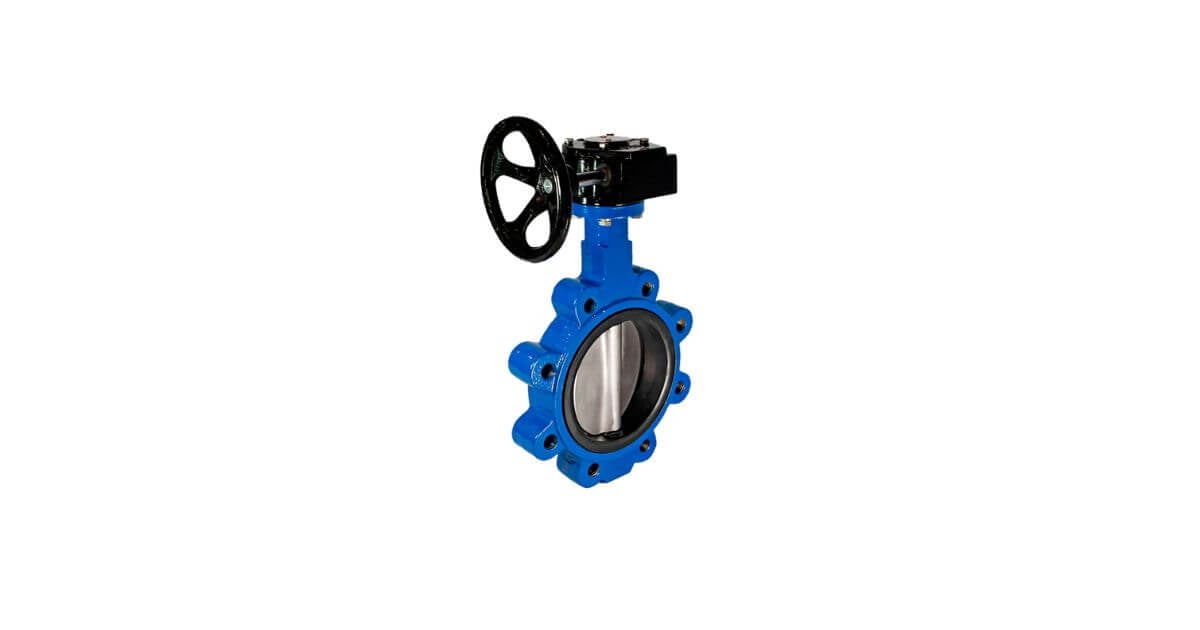
4. Butterfly Valves
Butterfly valves are compact and lightweight valves designed for efficient flow control in large diameter pipelines.
The valve operates using a rotating disc positioned at the center of the pipe. When the disc rotates parallel to the flow, fluid passes freely; when perpendicular, the flow is restricted or stopped.
Key benefits of butterfly valves:
- Lightweight and space-saving design
- Lower installation costs
- Quick operation with quarter-turn rotation
- Suitable for large pipeline systems
Butterfly valves are commonly found in:
- Water treatment plants
- HVAC systems
- Fire protection networks
- Marine pipelines
Because of their efficiency in large pipes, butterfly valves are widely recognized as an essential types of valves in piping and their functions.
5. Check Valves (NRV)
Check valves, also known as Non-Return Valves (NRV), are designed to allow fluid flow in only one direction.
Their primary function is to prevent backflow, which can damage pumps, compressors, or other sensitive equipment.
Check valves operate automatically based on pressure differences in the pipeline, meaning they do not require manual operation.
Important benefits include:
- Automatic operation without external control
- Protection of pumps and compressors
- Prevention of reverse flow in pipelines
Common applications include:
- Pump discharge lines
- Water supply systems
- Steam systems
- Oil and gas pipelines
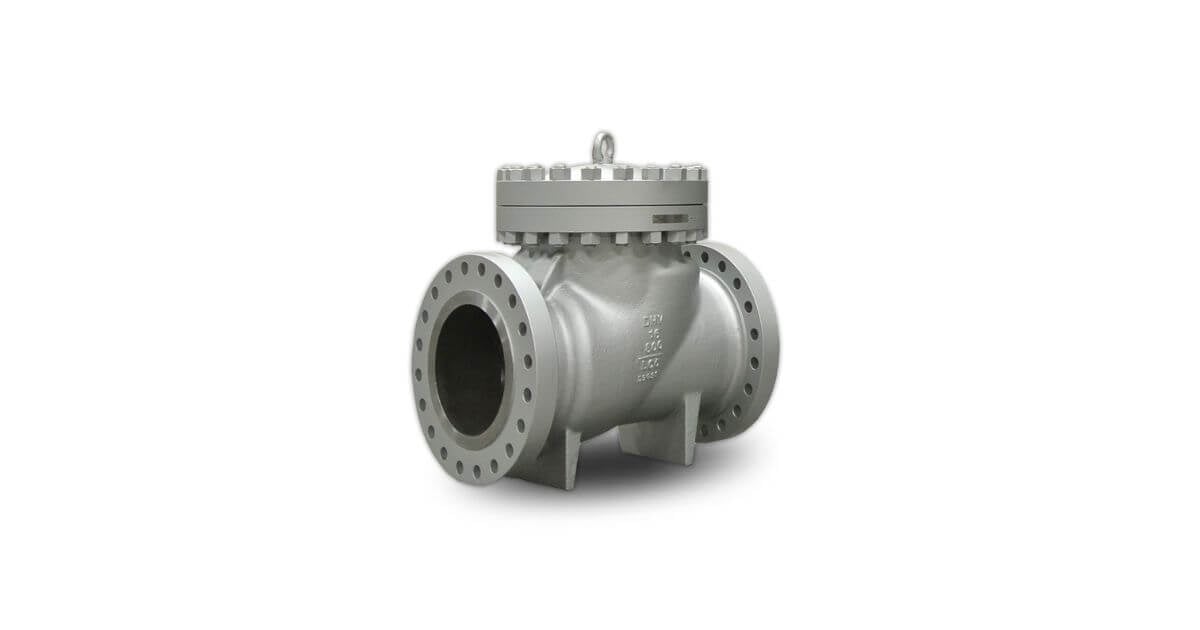
Because they protect equipment from reverse flow damage, check valves are essential in many valve types and uses across industrial facilities.
Get a free consultation to choose the best pipe valve types for your project

Explore more: Best Wholesale Plumbing Materials Suppliers in Saudi Arabia
Valve Selection Criteria for Projects in Saudi Arabia
Selecting the right types of valves in piping is a critical step in infrastructure, industrial, and construction projects across Saudi Arabia. Engineers and contractors must consider several technical factors to ensure long-term system reliability. When evaluating pipe valve types, project teams typically focus on the following criteria:
- Fluid Type and System Application: Different fluids require different valve types and uses. Water distribution networks, for example, often rely on gate and butterfly valves, while oil, gas, and chemical pipelines require valves designed to withstand corrosive media and high pressure.
- Operating Pressure and Temperature: Industrial pipelines in Saudi Arabia, particularly in the energy and petrochemical sectors, can operate at extreme temperatures. Selecting types of valves in piping and their functions according to pressure class and temperature ratings ensures system safety and prevents premature valve failure.
- Pipeline Size and Flow Requirements: Large infrastructure projects frequently require valves suitable for wide diameter pipelines. Butterfly valves, for instance, are commonly selected because they offer efficient flow control while maintaining a compact design.
- Maintenance Accessibility and Lifecycle Cost: Long-term operational costs are a major concern in large projects. Choosing durable pipe valve types that require minimal maintenance can significantly reduce downtime and maintenance expenses.
- Compliance with Local Standards: Construction projects in the Kingdom must follow Saudi regulatory frameworks and international engineering standards, ensuring all types of valves in piping meet strict safety and performance requirements.
Saudi Standards for Types of Valves in Piping
In Saudi Arabia, piping systems used in construction, water infrastructure, and industrial facilities must comply with internationally recognized engineering standards as well as national regulatory requirements. These standards ensure that all types of valves in piping meet strict criteria for durability, pressure resistance, and operational reliability.
Several global standards are widely adopted across Saudi projects, including:
- API (American Petroleum Institute) standards for oil and gas pipeline valves
- ANSI/ASME standards governing valve pressure classes and material specifications
- ISO standards for international quality and manufacturing requirements
- SASO regulations that align products with Saudi safety and quality guidelines
Adhering to these standards not only improves system safety but also supports long term project reliability, which is essential for large developments aligned with Saudi Arabia’s ongoing infrastructure expansion and national development initiatives.
Explore more: Essential Plumbing Materials and Fittings for Every Project
Why El Buroj is a Leading Valve Supplier for KSA Projects
For contractors and project developers working in Saudi Arabia, selecting a trusted supplier is just as important as selecting the right types of valves in piping. Reliable supply chains ensure that projects receive certified materials that meet engineering standards and project timelines.
El-Buroj Saudi Company has established itself as a trusted supplier of construction and mechanical materials for projects across the Kingdom. Founded in 2014 in Jeddah, the company has grown into one of the recognized suppliers supporting small, medium, and large construction projects in both public and private sectors.
Several factors contribute to El-Buroj’s reputation in the Saudi market:
- More than 10 years of experience supplying construction and infrastructure materials
- A wide range of products covering mechanical, electrical, and plumbing systems
- Strong partnerships with international and regional manufacturers
- Proven support for national projects and infrastructure developments
Through these branches and its online platform, El-Buroj provides contractors with access to essential materials, including reliable pipe valve types designed to meet the demands of modern construction projects.
Explore reliable plumbing solutions for your project. Discover trusted brands and quality products in our Plumbing Supply section on El-Buroj.
In addition, the company collaborates with trusted international brands and manufacturers, ensuring that the types of valves in piping and their functions supplied to contractors meet global quality standards. This commitment to reliability and product diversity allows project teams to source valves and mechanical components efficiently while maintaining compliance with engineering specifications.
Submit your details on our WhatsApp, and our team will help you select suitable valve solutions.

FAQs about types of valves in piping
What are the four main types of valves?
Gate, globe, ball, and butterfly valves are used to control or stop fluid flow.
What is a 3 valve?
Two isolation valves plus one equalizing valve for safe pressure measurement.
What is 2 valve and 4 valve?
A 2-valve system controls pressure; a 4-valve system adds extra valves for balancing and safety.
What are ISO valves?
Valves made to ISO standards, ensuring safety, quality, and compatibility.
What are the 6 types of valves?
Gate, globe, ball, butterfly, check (NRV), and plug valves.
What is a 4 valve?
Two isolation valves, one equalizing valve, and one vent valve for precise measurement and maintenance.